
Car: Hidden Costs
Insurance, depreciation, fuel, and sentrum parking add up fast. Short trips in cold weather increase engine wear without warming the car fully.
What changes when you trade steering-wheel time for handlebar time in Skien? The numbers go beyond fuel receipts — they reshape your weekly budget, your calendar, and how you move through the city.
Norwegian households with one car in urban Telemark typically budget for fuel, comprehensive insurance, annual inspection, depreciation, and occasional parking in sentrum. Even a modest used hatchback can consume NOK 50,000 to 85,000 annually when every line item is honest.
Removing one daily commute by car cuts fuel and wear immediately. Some families downgrade to one car or switch to car-sharing for weekend trips, redirecting thousands toward housing, childcare, or a quality e-bike that handles Skien hills with less sweat.
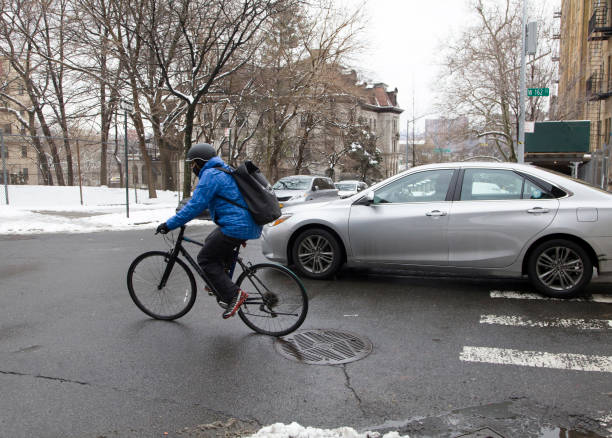
Estimates for a typical 15 km round-trip commute in the Skien area. Actual figures vary by vehicle age, parking location, and equipment choices.
| Cost item | Car | Bicycle | Walking |
|---|---|---|---|
| Monthly running cost | NOK 3,500–5,500 | NOK 100–250 | NOK 50–150 |
| Upfront investment | High (vehicle purchase) | NOK 8,000–12,000 commuter | Quality footwear & layers |
| Parking in sentrum | Often NOK 500+ / month | Free at municipal racks | Not applicable |
| Typical 3 km commute time (08:15) | 12–18 min + parking search | 9–11 min door to door | 25–35 min |
Insurance, depreciation, fuel, and sentrum parking add up fast. Short trips in cold weather increase engine wear without warming the car fully.
After purchase, maintenance stays low. A twenty-minute daily ride replaces gym time you no longer need to schedule separately.
For errands under two kilometres in Skien centre, walking often matches bus travel time with no ticket cost on dry days.
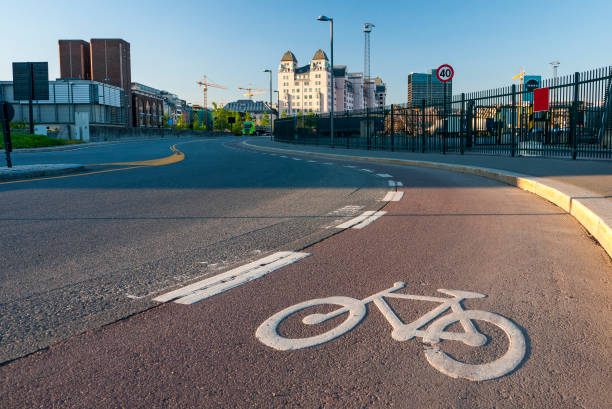
Traffic engineers measure level of service on arterial roads. Klostergata and approaches to E18 drop sharply at 07:45. A driver covering 3 km might average 15 km/h with stops. A cyclist on parallel streets often holds 18 to 22 km/h without sprinting.
The hidden cost is unpredictability. Missing a meeting because of an accident backlog has no line on your budget spreadsheet but real professional impact. Bike commute times in Skien's compact core stay remarkably stable once you learn surface conditions.
Cyclists lock at the rack outside their destination. That five to eight minutes drivers spend searching for parking equals roughly thirty to forty hours annually — time you could spend with family, reading, or sleeping.
A 20-minute moderate bike commute can contribute roughly 150 to 200 hours of physical activity per work year — activity that would otherwise require dedicated gym sessions. — Illustrative calculation based on 250 working days
The notes below summarise publicly available research on active travel at population level. They are not medical advice and do not predict individual health outcomes. Consult a qualified professional before changing your activity level.
A large UK Biobank analysis in the BMJ reported that cycling to work was associated with more favourable cardiovascular outcomes compared with driving, after adjusting for confounders like smoking and occupation.
Cycling at commuter pace burns roughly 7 to 10 kcal per minute for many adults. Twenty minutes each way can offset sedentary office work when paired with sensible nutrition.
Outdoor active travel exposes you to daylight and green corridors. Urban planning literature links river-path commuting with self-reported lower stress compared with car trips of equal duration.
Small daily shifts compound across a Norwegian working year. These figures illustrate scale — not promises about individual outcomes.
If a daily twenty-minute bike ride replaces twenty minutes of stationary frustration, you have not added time to your day — you have changed its quality. Many Skien commuters report using saved parking money toward winter gear that makes the habit sustainable through Telemark weather.
Workshops and meetups that support car-free commuting habits. Times are local (CET/CEST).
| Date | Event | Location | Focus |
|---|---|---|---|
| 19 Jun 2026 | Car-Free Commute Workshop | Skien library meeting room | Budget planning and route trials |
| 3 Jul 2026 | Try-Before-You-Buy Bike Morning | Henrik Ibsens gate forecourt | Test commuter setups with local riders |
| 17 Jul 2026 | Employer Active Travel Q&A | Online + in-person hybrid | Parking, showers, and bike benefits |
Many families combine cargo bikes, bus routes, and occasional car rental for holidays. School routes under 2 km suit walking or trailer bikes. Evaluate your weekly trip pattern before selling a vehicle.
Initial investment in studded tyres, lights, and layered clothing pays back over one to two seasons compared with daily fuel and engine wear from cold starts on short trips.
E-bikes cost more upfront but flatten hills toward Gimsøy. Electricity per charge is minor. Compare total cost against car ownership over three to five years for a realistic picture.